
Close

Top 10 Lessons from 50 Early Stage Investors on Fundraising

What 50 early-stage investors told us about cold emails, pitch decks, FOMO and everything in between.
Mat Vogels
Harpoon Ventures & Black Flag

Introduction

Fundraising is one of the hardest parts of being a founder. It kinda sucks, actually.

It's stressful, confusing, exhausting, frustrating, bat shit... and sadly, necessary. But I've found the problem with fundraising is that it's kind of a black box.

Mixed signals online from founders (many of whom have never raised meaningful rounds themselves), stories of founders seemingly raising with no effort at all (not true), and investor feedback that sometimes contradicts the experience most founders actually have.

Not to mention the phrases every founder hears on repeat:

"Have you found a lead yet?" "Is a tier 1 interested?" "What's your traction? TAM? GTM?"

One of the reasons we started the Fun Raising podcast (which I strongly suggest you take a look at), and co-built VCSheet.com (I also strongly recommend) was to help founders navigate fundraising. To give them a leg up in a process that so often feels stacked against them. I felt the best way to get that advice was to go straight to the investors themselves, and ask them all the questions founders need answered before they raise.

We just passed 50 episodes of Fun Raising. That's 50 early-stage investors giving a peek behind the curtain and shedding some light on what otherwise feels like a black box. I spent this week combing through the episodes, looking for common patterns and overlapping advice, and pulled together the 10 things we heard most often (plus four things that didn't have consensus).

So, without further ado, here are the top 10 learnings from 50 early-stage investors on the fundraising process.

1. Your cold email gets 60 seconds at best

Most founders treat the cold email like a mini pitch deck (it isn't). Its only job is to earn the next click, and that click usually happens on a phone, between meetings, in under a minute. Most of our guests get 100+ cold inbound pitches per week, so they aren't reading yours closely. They're scanning for a few signals. Is this a real person? Is it in my lane? Is there one thing here I can't ignore?

Make them dig for these answers and they won't.

The founders who get replies make it easy. One clear line on what they build, a reason they're the one to build it, and a single proof point that's hard to scroll past.

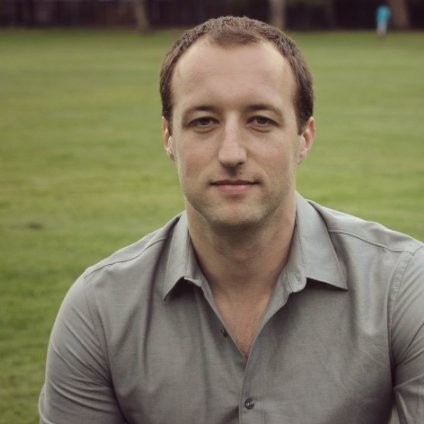
"You literally have 60 seconds with your blurb and your content, your deck, to make a first impression."
Zal Bilimoria
Refactor Capital
"Hey, I previously sold a company for 30 million and I know this space like the back of my hand cause I worked here and we've already got our first three pilot customers. Like that's a perfect cold email."
Leo Polovets
Humba Ventures

And write it yourself. THIS IS IMPORTANT. One of the most common things I'm hearing right now is how bad AI-generated cold emails are. Investors can spot one in the first three sentences, and if they can sniff it, they'll move on to the next one.

"If you want me, a real person, to read your email, send me an email that you actually wrote."
Ellen Chisa
boldstart

For what it's worth, I'm a cold email believer. I raised my first check with an email made entirely of emoji. It works when it's yours. So let em' rip.

Additional tips on this topic

Put your LinkedIn link up top. It's the first click on almost every email, and a stale profile can sink you before anyone reads the pitch.
Search yourself before you hit send, the way you would before a first date. The investor is about to do the same.
Open with a line that makes them stop scrolling. Two or three sentences total is plenty.
Don't be cryptic. "The cursor for defense" tells an investor nothing.
If you can swap in another fund's name and the email still reads the same, rewrite it. Point to their portfolio or their background.
Send a DocSend link, not a PDF. Spam filters love to eat attachments, which is also why a LinkedIn message sometimes beats email.
Don't ignore the junior people. Associates and principals run a lot of the deal flow and reply faster than partners.
Never route your intro through a fund that already passed. The next investor's first question is why they didn't invest.
Treat outreach like sales. Send 50, see who replies, rewrite, send 50 more.
When someone intros you, move them to BCC on your reply.

2. Plan on 100+ conversations before you get a YES

This was one of the most consistent thoughts on the show, and the one founders least want to hear. It routinely takes 100+ investor conversations to land a first check or a lead. Most first-time founders show up with a list of 30. That gap is why so many raises stall. You burn through the list in three weeks, collect a pile of soft nos and decide the company must be the problem.

Usually it's just the math. Early-stage venture runs at roughly a 1% conversion rate. Most investors pass for reasons that have nothing to do with you, so you need enough at-bats for the few true believers to find you. Plan for the volume upfront and every no stops feeling like a verdict.

"You need to be prepared to pitch 150 VCs to get to your first check. And if you are not prepared for that, you might not be ready for this process."
AJ Smith
Outlander VC

The best founders also start long before they raise. My favorite system came from my teammate Andrew Couillard. Start taking coffee chats months early. End each one by asking if they want a call when you raise. Score each firm's enthusiasm as a percentage and multiply it by their average check. When the total hits 300% of your target, you start.

"You call them and say, hey, remember that talk we had two months ago? I'm raising, are you in?"
Andrew Couillard
Harpoon Ventures & Black Flag

Volume doesn't mean blasting, though. When it's go time, compress everything into a tight window.

"Instead of taking one Tuesday meetings for a month at a time, stack all of your meetings, 20 meetings, all to start within like three or four days, because then you can start to leverage momentum."
Ethan Austin
Outside VC

A fundraise is a sales process with one twist: You need every customer to close at the same time. So you speed some investors up and slow others down until they land together.

Additional tips on this topic

Build your list from cap tables, not databases. Look at companies you admire that don't compete with you. Their investors already care about your space.
Don't over-index on exact focus. A firm that already backed your idea may feel over-allocated, so map the adjacent spaces too.
Check that the fund is actually deploying. Look up their last investment date. Zombie funds between vehicles can waste months of your time.
Ask every investor early how long their process takes.
Pitch the partner, not the logo. Know which person at the firm fits you, and whether that firm leads or follows.
Start with a few friendly firms you don't even need. Make your rookie mistakes there.
Run waves of eight to ten. Put your favorite group first so they feel special. Save the dream firms until the pitch is sharp.
Track every name, note and follow-up date in a spreadsheet. Then work it.
Two to three weeks is a good raise if you've done this before. A couple of months max if you haven't. Six months makes investors wonder how you'll ever raise the next round.
Never stop fundraising. Don't wake up six months from zero cash and start cold.

3. Few will read your TAM slide. Most go to your team slide first.

Founders pour weeks into the deck, and a lot of that effort goes to the wrong slides. Early-stage investors aren't underwriting a market model. At pre-seed there's barely a company to underwrite. They're underwriting you, and whether you've seen something the rest of the market hasn't.

That's why eyes go to the team slide first and skip the TAM slide almost entirely. A giant top-down number proves nothing, because every deck has one (and they are more often wrong). What moves an investor is a clear story. Who you are, what you noticed, why now, and how you get from a narrow beachhead to something huge.

"There is only one, it's the team slide. I'm normally just scrolling through looking for that."
Brandes Woodall
Also Capital

Why the team slide? Because at pre-seed it's often the only real data in the deck. The product will change. The market story will get rewritten. The people are what's left. As one guest put it, pre-seed data rooms are ghost towns. So investors read that one slide hard, and they're looking for a few specific things.

Does your background explain why you saw this problem before anyone else? Is there someone who can build it and someone who can sell it? Is there one thing you're world-class at, not just good at everything? Would great people quit their jobs to follow you?

Pedigree matters less than founders think. Logos open doors, but earned insight is what investors remember. Lived experience in the problem. Hundreds of customer conversations. A real reason you're obsessed with this.


"I am far more impressed if I'm meeting with someone and they say, hey, we talked to 75 prospective buyers, canvassing the market, figuring out what problems they care about. And this problem came up with 60 of them. And that's why we're here doing this today."
Kyle McNulty
In-Q-Tel
"One needs to spike... It matters much more that you're really, really good at one thing versus just okay at a lot of things."
Kirby Winfield
Ascend

Now the TAM slide. Skipping it was about as close to unanimous as the show gets. If your market is obviously huge, you don't need the slide. If it isn't, a top-down number won't convince anyone.

"That's not your market. Can we actually talk about who you would sell to and how much they spend on the thing that you buy."
David Goldman
Celesta Capital

Show your path instead. Where you enter, how you own that beachhead and how each milestone unlocks the next. One guest calls it a campaign plan. He'd met a three-month-old defense startup that already had its path to a program of record mapped out.

And don't lean on famous names of advisors to carry the deck.

"We have a Nobel Prize winner, a four-star general, and the former ambassador to Germany or whatever. That means nothing to me."
Josh Manchester
Champion Hill Ventures

Additional tips on this topic

Fix your team slide. A photo, a title and three logos isn't enough. Write two honest sentences on what you actually did and why it ties to this problem. Otherwise investors fill in the blanks, rarely in your favor.
Kill the advisor wall unless those advisors will write a check or take a reference call.
Kill the exit slide. A list of strategic acquirers says you aren't thinking big enough.
Skip detailed revenue projections at pre-seed. Investors will anchor to those numbers later.
If you do size the market, go bottom-up. Make it the kind of market where 1% is already a big number.
Explain the product like you're talking to your middle school cousin. Then go deeper.
Run the headline test. Read only your slide headlines. If the business isn't obvious, rewrite them.
Keep it plain. MatX's deck was black text on white slides. Don't pay $50K for design.
Aim for 10 to 12 slides. Send it ahead and never read it out loud.
Keep a five-slide teaser version for cold outreach.
If you're deeply technical, build a real appendix. Some investors read it first, and it can save you a meeting.
No brand names on your resume? Write two honest sentences about your connection to the problem. That beats a wall of logos with no substance.

4. The first meeting is decided in minutes

Founders walk into a first meeting thinking they have 30 or 45 minutes to make their case. The truth is most investors know their level of interest within the first five to ten minutes, and the rest of the call is spent confirming (or undoing) that first read.

So the opening matters way more than the deck. In those first few minutes, an investor is quietly answering a few gut questions. Is this person lit up by the problem? Do they know this space cold? Would great people follow them? Would I want to work for them? You can't fake any of that with slides. You show it with energy, depth and how you handle pushback. The good news is a great founder can win the room before ever getting to slide three.

And what wins those first minutes is intensity. Not polish.

"You sort of know whether you're going to invest in the first five to ten minutes."
Larsen Jensen
Harpoon Ventures
"Don't err on professionalism, err on excitement... I will take passion over professional accreditation any day."
Jason Chapman
Konvoy

Then depth. The founders who stand out can talk forwards and backwards about their industry. Why past attempts failed and why theirs won't. They can explain it to an expert, then explain it again to the rest of us.

The smartest move I heard all year was a founder who emailed the investor two days before the call. Five key takeaways, plus the top two reasons other investors had passed. Trust was built before anyone said hello.

And end every meeting with the same question.

"Ask the investor what their concerns are about moving forward. You're soliciting constructive feedback and guess what? You don't have to worry about getting ghosted because if you do you know why you got ghosted."
Jordan Wan
CoFound

Additional tips on this topic

Don't open on slide one. Spend a few minutes being a person.
Keep your self-intro short. Six minutes of background reads as insecurity.
Bring the CEO, not the whole founding team. Investors want to see who's driving.
Practice the pitch on smart friends before any investor hears it.
Walk in with three points you must land, whatever direction the meeting goes.
Keep answers short. The longer the answer, the worse it lands.
Name your weak spots before they do. Investors assume the worst about any number you hide.
When they push back, spar. Defensive on a Zoom call reads as defensive with customers and employees.
Ask for help with something real. How they respond tells you whether they're a banker or an operator.
Never pitch a second idea after a pass. One guest compared it to a trinket salesman opening his coat.
If the call is clearly heading to no, end it and move on.
Book the next meeting before you hang up, and get a cell number. If they won't book it on the spot, you have your answer.

5. VCs talk. Fake FOMO gets caught.

Every founder hears that FOMO closes rounds, and it's true. But the problem is most founders try to manufacture it. You've run one fundraise (maybe two). The investor across the table has seen hundreds, and they've seen every trick in the book. The fake Friday deadline. The phantom term sheet. The tier-one firm that's "getting close." Investors also talk to each other constantly, especially in deep tech where everyone seems to know everyone.

One text message is all it takes to check your story, and if you get caught, you don't just lose that firm. You lose everyone they talk to. Real FOMO is a lot more boring than the tricks. It's more demand than there is room in the round, and the only way to get there is real progress and a tight process.

"VCs all talk to one another, right? Like if you say that you've had a conversation with this fund or this fund has offered you a term sheet... I'm going to text the person that I know at that fund."
Kyle McNulty
In-Q-Tel

This isn't hypothetical. One founder told a guest they had a soft commit from Draper. The guest checked. Draper had never said it. The founder lost both firms.

"The way you create FOMO is creating more interest in the round than there is room."
Aaron Stachel
FirstMile Ventures

The line between storytelling and lying is simple.

"I don't mind somebody who can add an extra 15% of color to something. Because I think you need to be able to do that as a storyteller, as a founder. But if you fully misrepresent something to me, then we won't be able to work together."
AJ Smith
Outlander VC

Additional tips on this topic

You only get to play the FOMO card once. A bluffed close burns it all.
Frame the truth well. "No one's invested yet" and "we kicked off last week, we've had ten calls, and you're among the first" can both be true. Only one builds momentum.
Start with angels who like you, then smaller funds, then the big names.
Stack small yeses. $50K to $200K base-hit checks compound, and they're what finally moves the fence-sitters.
Get talked about. Real buzz is three investors mentioning you to each other in the same week.
Send short weekly updates during the raise, including who's actually in.
The first term sheet is the domino. Signal real momentum, like site visits from other investors, without overselling it.
Don't set deadlines you can't enforce. The moment an investor declines to move that fast, a fake one collapses.
Don't vent about how miserable the raise is. Investors want proof you can survive all the rounds still ahead.
When the offers land, take a day or two and decide. Waiting costs you allocation.

6. Pick the partner, not the price

When you finally have options, the instinct is to take the highest number. Resist it. A seed valuation is one stop on a ten-year road, and an inflated one becomes a hurdle you have to clear at the next round. Raise at $65M out of the gate and you'd better look like a $150M company a year later. If you don't, you're staring at a flat or down round and a team holding underwater equity.

Meanwhile, the person you pick will be on the phone with you through every crisis the company has, and unlike a bad hire, you can't fire them. A few points of dilution won't matter if you build a billion-dollar company. The wrong partner can make sure you never get there.

"If we all believe that this is going to be a multi-billion dollar outcome, optimizing for valuation within general ranges at an early stage is just not smart... it's almost like an indictment on your own confidence of how big this is going to get."
Larsen Jensen
Harpoon Ventures

Here's the uncomfortable part. Most VCs won't move the needle for you. My rough split is 60% net zero, 25 to 30% net negative and only 10% net positive. Your first job is avoiding the negatives. So interview your investors as hard as they interview you.

"In California, it's a lot easier to get a divorce than it is to remove a board member."
David Goldman
Celesta Capital

Be careful with multi-stage money at seed, too. The big name feels safe. One seed fund ran the numbers. About two-thirds of its companies reach a Series A, but the multi-stage fund that wrote the seed check leads that A only about 15% of the time.

"15% of the time, that's the fund that led their A... And additionally, them not doing your Series A is going to make it harder for you to raise a Series A from everyone else, cause they're going to wonder like, why isn't the insider doing anything?"
Leo Polovets
Humba Ventures

Additional tips on this topic

Ask to talk to a struggling portfolio CEO, not the star. Better yet, call a founder whose company died.
Ask if they finish business diligence before the term sheet. Some firms don't, and if they walk later, you carry the stigma.
Ask how many of their founders are pinned in their messages.
Ask what happens to your deal if your champion leaves the firm.
Ask where they are in their fund and how much they hold in reserves. Ask whether a $100M exit even matters to them.
Ask about their process and timeline, then hold them to it. Two weeks with no next step is a pass.
Run the airport layover test. Would you enjoy being stuck with this person for three hours?
Keep your terms clean. Standard SAFE docs save you from almost every personality problem down the road.
Don't let one big fund take the whole round. If you miss your numbers and they walk, everyone notices.
Skip redundant angels. Ten CTOs who all know each other give you one network, not ten.
If you're oversubscribed, don't run an auction. Ask your best partner to match, and email each investor honestly about the allocation.

7. Closing is the starting gun

The day the wire hits feels like the finish line. It's actually the starting line. You just sold a group of investors on a plan, and now the clock is running on proving it. The hardest part is the mindset switch. For a year or two you've been frugal out of necessity, squeezing every dollar (ramen, anyone?). Keep doing that after a real raise and you'll lose ground to the teams that move faster. You aren't up against capital anymore, you're up against time, and the money exists to buy speed.

That means hiring, shipping and selling now. It also means keeping your investors close enough that they're ready to back you again when the next round comes.

"Closing of the funding, that's the starting line."
Arthur Karell
First In

The most common mistake I see is raising millions and still living like you have none. Founders keep eating ramen, refuse to hire and wonder why they're falling behind.

"When you finish your fundraise, you are up against time. You're not up against capital."
Adam Hammer
Roadrunner Capital

The other half of post-close is your investors. Most founders send updates when things are good and go quiet when they're not. That's backwards.

"I only want the update when things are bad because then we can help."
Alex Roetter
Moxxie Ventures

Additional tips on this topic

Line up your first hires before the wire hits. The first ten dictate the outcome of the company, so treat them almost like co-founders.
Don't spend six months interviewing. A day or two working together tells you enough.
Watch the opposite trap too. Over-hiring engineers before revenue catches up burns a round fast.
Don't spend equity dollars on equipment you could rent, finance or cover with a grant.
Hold a kickoff call with all your investors right after close. Reset expectations against what you pitched.
Move to text. It breaks down the formality and gets you faster help.
Use the window. The most active investor support usually runs 18 to 24 months, then naturally tapers.
Send updates on a clock. They can just be a screenshot of the dashboard you already run the business on.
Consistent updates have a way of turning into next-round preempts.
Skip the funding announcement unless it serves a real goal like recruiting. Stealth is an advantage.
Run an after-action on the raise while it's fresh.
Stay in touch with the investors who passed. You may need them next time.
Celebrate with your team. Then get back to work.

8. Most startups die of people problems

Ask an investor why startups fail and you'd probably expect to hear about markets or competition. That's not what I heard. Over and over again, the answer was people. Co-founders who stop trusting each other. A founder burning out alone. A board blindsided by bad news it heard about way too late.

Markets are hard, but a strong team can pivot through a bad one (a broken team can't survive a good one). That's why investors watch for cracks from the very first call, and why the best founders treat their relationships like infrastructure. Co-founders, family, early hires and investors all need maintenance, and they need it most when things get hard.
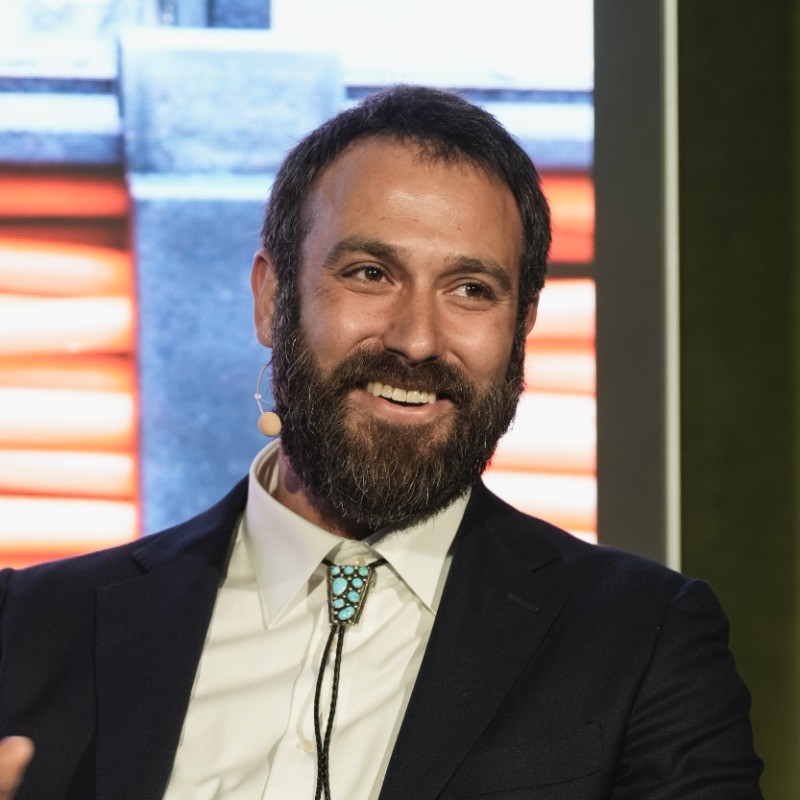
"There are two ways that startups can fail. One, they run out of money or two, the band breaks up."
Leo Banchik
Voyager

Some investors will walk the moment they see it.

"If there is founder tension on the call of any kind, we're out. Like immediately. Starting a company is so hard, if your own troops aren't unified together, it's over."
Jason Chapman
Konvoy

The fix starts with honesty. Your investors can only help with what they know about.

"Don't give us the rose colored glasses. That's for you to go on and sell to your customers and your outside world and your grandma. I want the truth."
AJ Smith
Outlander VC
"Biggest lesson I've learned this year is all problems are relationship problems."
Brandes Woodall
Also Capital

Additional tips on this topic

Get aligned with your co-founders before you raise. Disagreements only get more expensive later.
Get your spouse or partner fully on board before you start.
Building a company is lonely. Build a support system on purpose.
Hire a buddy early so you suffer together. Palantir spent three years with no revenue in a hospital basement.
Tell investors about problems early. Good ones have helped founders through co-founder breakups and toxic early hires, but only when they knew.
Look for investors who invest in founders as people. One guest pays for therapy for every founder he backs.
Make sure the CEO is clearly the CEO. Investors don't like regime change.
Don't treat raised capital like revenue. It's fuel to hit milestones, not proof the business works.

9. Desperate customers over cool technology

This one hits deep tech founders the hardest. You've spent years on a breakthrough, so it's natural to lead with what the technology can do. But investors kept telling me that's the wrong starting point. The companies that work start with a customer in real pain. Someone who needs the problem solved badly enough to bet on an unproven startup, sit through a long integration and take a risk on a new vendor.

"A technology looking for a market" was one of the most common killers guests named, and it rarely shows up in the pitch (it shows up a year later, when the pilots don't convert). So prove the pull early. Talk to more customers than feels reasonable, get something in writing, and let a third party say your product is worth paying for before you ask an investor to believe it.

"Who is that customer that's going through the desert... sees this oasis, this water, says, my god, give it to me. I need it so badly... that's the type of urgency and necessity around the problem that I look for in deep tech."
Adam Hammer
Roadrunner Capital

The failure mode is subtle. The technology is real, the team is great, and nobody needs it badly enough.

"Fitting tech to a problem versus developing a technology specifically for a problem. If the market's not there, the company's gonna have a really hard time succeeding."
Emily Lindberg
Undeterred Capital

The good news for deep tech founders is that proof doesn't have to mean revenue. It means evidence you did the work.


"If you sign 20 LOIs, I know that probably 19 of them will never turn into a commercial contract. But I know that you spoke to probably 200 companies, and 180 of them said no, and 20 of them said okay. So that's one of the best predictors of how good they're going to do sales."
Alexandra Vidyuk
Beyond Earth
"If the customer doesn't care, you're toast. Full stop, there is nothing else."
Jesse Marble
Wildwood Ventures

Additional tips on this topic

Talk to buyers before you build. Then bring the numbers to the pitch, like how many buyers you spoke with and how many named this exact problem.
"That's an interesting idea" isn't validation. "Can I buy that?" is.
Be an order of magnitude better. In physical industries, switching can mean retooling a line or a supply chain. Ten percent better won't move anyone.
LOIs, pilots and paid contracts all count as traction in deep tech. Nobody expects revenue on day one.
Get a third party to validate your tech as fast as you can. It saves your next investor from doing tons of diligence from scratch.
Record your customer calls and put them in the data room. They close the believability gap and can save a week of reference checks.
Show the inflection, not the absolute number. Fast growth from a small base beats a big number that's flat.
Be wary of the hot problem everyone is chasing. You'll be in a knife fight with teams raising $50M seeds. Overlooked markets are friendlier.
Onboard your first customers by hand. Every great company was built one customer at a time.
Try to disprove your own thesis. If it's wrong, you want to know while you still have the money to pivot.
Don't let the raise pull you away from customers. Product-market fit isn't one and done. You have to keep finding it.

10. Raise for a milestone, not a number

Founders love to ask how much they can raise. The better question is how much they need. Every round is a bet that this money gets you to a specific proof point. A product shipped, a customer signed, a metric hit. That proof point is what justifies the next round.

Raise too little and you run out before you get there. Raise too much, or at too high a price, and you've quietly raised the bar you have to clear next time. Bigger rounds set bigger expectations, shrink the list of funds that can lead your next one and dilute you for money you didn't need. So work backward. Name the milestone that unlocks your next raise, cost it out honestly, add a buffer because everything takes longer than you think, and raise that. Then keep checking that it's still the right milestone by the time you get there.

"The amount you raise should be a function not of what you can raise, but of how much money you need to achieve the next milestone plus a slop factor because everything is harder than you think."
Alex Roetter
Moxxie Ventures

The trap is that a bigger round feels like winning. It isn't. It just moves the bar higher.

"If you raise a very, very large round, it just sets the expectation for that next round that much higher because you're going to want to raise an up round, which means you're going to want to raise an even larger round, which means you might, you know, as you go higher and higher in round size, the number of funds that are applicable to you might narrow and narrow."
John Forbes
Julian Capital & Deep Checks
"A successful fundraise is just raising the bar. You're a pole vaulter and they raised the bar. No one applauds for you at the Olympics until after you clear the bar."
Alex Roetter
Moxxie Ventures

Additional tips on this topic

Ask whether venture is even right for you. Several guests said most businesses shouldn't raise it. It's for compressing time when a window is open.
Rank your capital. Revenue first. Then grants, non-dilutive money and financing. Equity last.
Set your target at the bottom of your range so you never look undersubscribed.
Watch the creep. A planned $2M round can quietly turn into $3.5M of dilution you didn't need.
Avoid the "suicide round." Too much money at too high a valuation too early, then spending like it will never run out.
Remember the venture math. Raise at 5x the median valuation and you need a 5x bigger outcome to make it work.
Give yourself real margin for error, especially if you're building hardware.
Recheck your milestones before the next raise. What investors want to see can change in two years, and hitting stale targets won't get you funded.
Ask how many equity rounds you really need. For some companies the answer is one or two.
Don't benchmark against overnight raises you see on social media. Most of them have backstories you can't copy.
Small checks add up. Bezos raised his first million in $50K checks from dentists and his dad's friends.

Four additional things that didn't have consensus

The agreements are useful. The disagreements are more honest. Smart investors look at the same question and give opposite advice, usually because they're playing different games. A solo GP reading 300 pitches a week sees cold email very differently from a partner whose whole pipeline is portfolio referrals. Here's where they split, why, and where I land.

Warm intro or cold email?

This is the oldest fight in early-stage fundraising, and AI just made it louder. Inboxes are flooded with polished, machine-written outreach, and some investors have responded by trusting cold email even less.

The warm camp is blunt about it. One guest has invested in exactly one cold inbound, ever. Another has answered two cold emails in three years. To them, a trusted founder saying "this person is special" is worth more than anything you could put in a deck.

"Coming in through an existing founder that we've invested in. Number one, everything else, very far second place, wide margin."
Larsen Jensen
Harpoon Ventures
"Rather than auto-blasting 500 cold emails, it's much better spending the time getting the warm intro to us. Just that channel is so much higher value. And it's a bummer that that's true, but it is true."
Alex Roetter
Moxxie Ventures

The cold camp thinks that's a trap, especially for founders without a network. Some of them read every inbound pitch personally. One guest has read over 10,000. Their view is that a stranger's intro can't make them write a check anyway, so founders should spend that energy on volume and on a great written pitch.
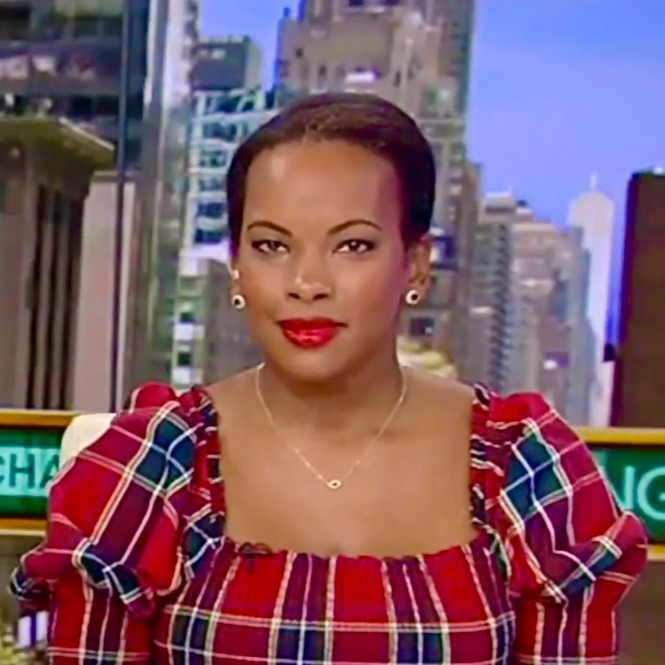

"The amount of time that people spend trying to find... warm intros thinking that that's their edge at the really early stage is so silly to me."
Sarah Kunst
Cleo Capital
"I personally will still answer many, many cold messages as long as they're customized."
Jake Storm
Felicis

Where I land. Both camps are right about different investors, so play both games. Get the warm intro when it's there, and the best one comes from a founder the investor already backed. Build that network months before you raise, at conferences, online and by helping other founders. But never let the lack of an intro stop you. A sharp, human cold email still gets read. Mine did, and it was made entirely of emoji.

Spend it or sit on it?

Both camps have watched companies die. They just watched different deaths. One side has seen founders raise real money, freeze and get outrun by teams that moved faster. The other has seen founders hire ahead of need, burn through a round in a year and walk into the next raise with nothing to show for it.

The spend camp says the money is there to buy speed. Hire the best people now. Bring in the PR firm. Stop rationing like a grant-funded lab.

"We're doing this to accelerate your business. Use the money."
Andrew Couillard
Black Flag

The save camp says slow down and learn what you actually need first. One guest calls it hiring in arrears instead of in advance. Wait until you're drowning in a task, so you know exactly what success in that role looks like, then hire for it. Another tells founders to park the cash and behave as if they never raised.


"Raise the round and don't spend any money for three months and just wait and figure out like, what do you actually need?"
Natty Zola
Matchstick Ventures
"The absolute worst type of capital you can ever raise in your life is equity financing. The absolute worst. What is there to celebrate? You just found a way to put a lot of liability on your shoulders."
Arkady Kulik
Arkane

Where I land. I'm firmly in the spend camp, but speed isn't the same as headcount. Both sides agree on the real metric, which is progress per dollar toward the milestone that unlocks your next round. Spend hard on the things that clearly move that milestone. Hire in arrears for roles you don't understand yet. What you can't do is sit on the money out of fear while someone else takes your market.

Does tranching work?

Tranching means pricing your round in steps instead of at one number. The first money in gets a lower cap. Later money pays more. The idea is to reward the investors with the most conviction and to avoid the classic stall, where everyone waits for everyone else and nobody signs.

The fans say it's the best closing tool a seed founder has. One guest put it just behind a tier-one term sheet. Another lays out the exact math.

"Take where you want to be, subtract three, that's the first tranche. Add three, that's the second tranche. And you raise half your round overnight."
Kirby Winfield
Ascend
"If you wait for everyone to come around the table at five on 25, it's just way harder to land the plane than if you're to say the first check in, the first million dollars is at 18, the second million dollars is at 22, the third and fourth million are at 25... So the funds that have the most conviction and move the fastest get a deal."
Jacob Jackson
Julian Capital & Deep Checks

The skeptics say investors see straight through it. Nobody wants to pay more than the people closing next to them, so a step-up that isn't backed by real progress reads as a pricing trick, not momentum.

"'We're closing on two million and the first million gets this cap and the second million's gonna get this higher cap.' That's not a real thing. Nobody wants to pay more than other people closing around the same time."
Aaron Stachel
FirstMile Ventures

How to think about it. Tranching works when there's real demand behind it and real time between the steps. If the first million genuinely closes fast at the lower cap, the step-up is just the market talking. If you're announcing three caps on day one with no one committed, it's the same fake FOMO investors already ignore. Know which investors on your list like the structure before you lead with it.

Is the no about you?

Every founder collects dozens of passes, almost all of them polite and vague. "Not a fit for us right now." "Too early." "Keep us posted." The fight is over what those passes actually mean, and it matters because the answer decides whether you should change anything.

One camp says most passes have nothing to do with you. Funds have portfolio conflicts you can't see. Partners have internal politics. Some firms are between funds and can't deploy. And investors have little reason to tell you the real reason anyway.


"It's very rarely for the reasons that the founders think. Founders take it very personal. Sometimes it's not that your business is bad or they don't like you."
Mat Vogels
Harpoon Ventures & Black Flag
"There is no real incentive for a VC to get to the root of why they don't believe in what you're building, because they may want the optionality to come in later, or not to piss off people."
Bob Mason
Argon Ventures

The other camp says that's a comforting story. Investors understood the business fine. They passed on the founder, and you're better off accepting that and staying relentlessly yourself than rationalizing it away.

"Investors pass because of the business because that's what they say. But they're really passing because of you and that's okay."
Jack Dreifuss
Impatient Ventures

Where I land? Both are true, which is why a single pass tells you almost nothing. Treat passes as data in aggregate. If 30 investors give you 30 different reasons, that's noise. If ten of them circle the same concern, listen. And stop guessing. Ask every investor what their concerns are before the call ends, so you hear the real reason while they're still in the room.

Conclusion

Fundraising is a sales process with pretty terrible conversion rates. So treat it like one. Build the list, work the list and qualify your leads.

If you zoom out, almost all 10 of these come back to the same idea. Fundraising isn't magic, and it isn't luck (well, mostly). It's a process, and the founders who treat it like one tend to win. Keep the email short and write it yourself. Lead with your team, know your story cold and be ready to win the room in the first five minutes. Run a tight, honest process, pick partners over price and raise for the milestone that gets you to the next round.

Then, once the money hits, move fast and keep your people close. None of it is easy, and you'll still hear a lot of nos along the way. But the black box gets a lot less scary once you know what's actually going on inside it.

And remember who needs whom.

"Founders don't realize that we need them more than they need us. VC doesn't exist if there aren't people building companies."
Natty Zola
Matchstick Ventures

Thanks to every guest who sat down with us. On to the next 50.

Related Posts